
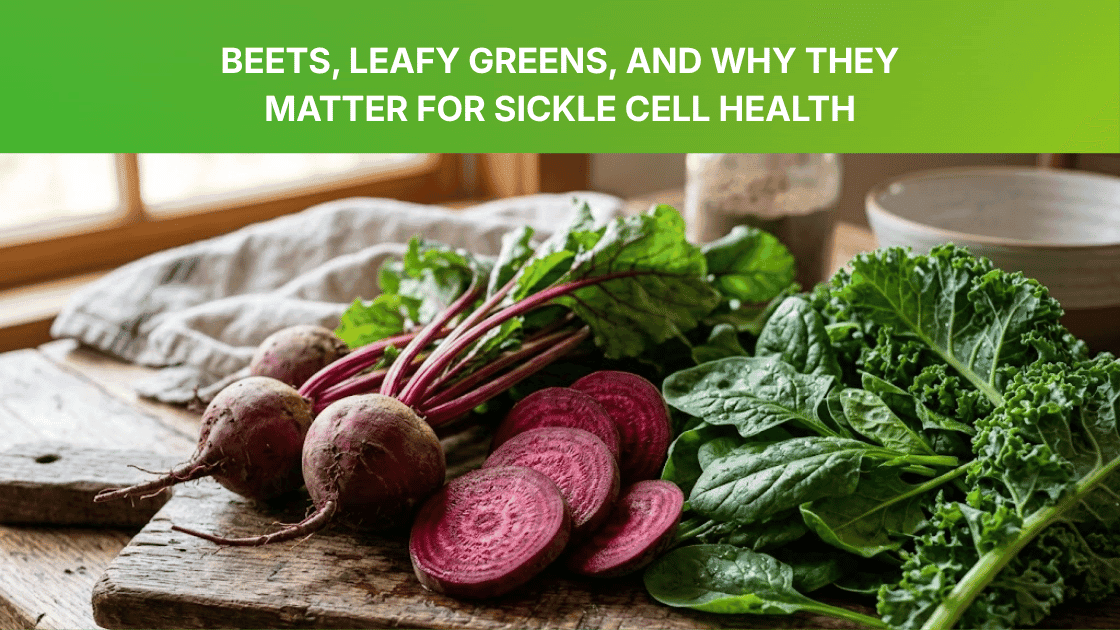
When people talk about sickle cell disease and food, the conversation usually stays general: eat well, stay hydrated, avoid this or that.
But there's a more specific and interesting conversation to have, one grounded in research on how certain plant foods interact with the very biological problems that drive sickle cell complications.
This article focuses on two food groups, beets and dark leafy greens, and explains in plain terms why they have attracted scientific attention in sickle cell disease, what they actually do in the body, and how to include them practically in your diet.
Key Takeaways
- Blood vessel health is at the centre of sickle cell disease. Pain crises happen when blood flow is blocked in tiny vessels.
- A molecule called nitric oxide keeps blood vessels relaxed and flowing. In sickle cell disease, levels of nitric oxide are often too low.
- Beets and dark leafy greens are among the richest natural sources of dietary nitrates, which the body converts into nitric oxide.
- A clinical trial registered on ClinicalTrials specifically tested beet juice in sickle cell patients for exactly this reason.
- These are foods, not medicines. They support your body's systems alongside medical care, not instead of it.
- Track how your diet affects your energy, pain, and symptoms using the Eloheh app at elohehkits.com.
The Main Problem in Sickle Cell Disease: It's About Blood Vessels
Most people know sickle cell disease involves abnormally shaped red blood cells.
What's less understood is that the biggest complications, including pain crises, organ damage, and fatigue, are not just caused by the shape of the cells themselves.
They happen because of what those cells do to the blood vessels they travel through.
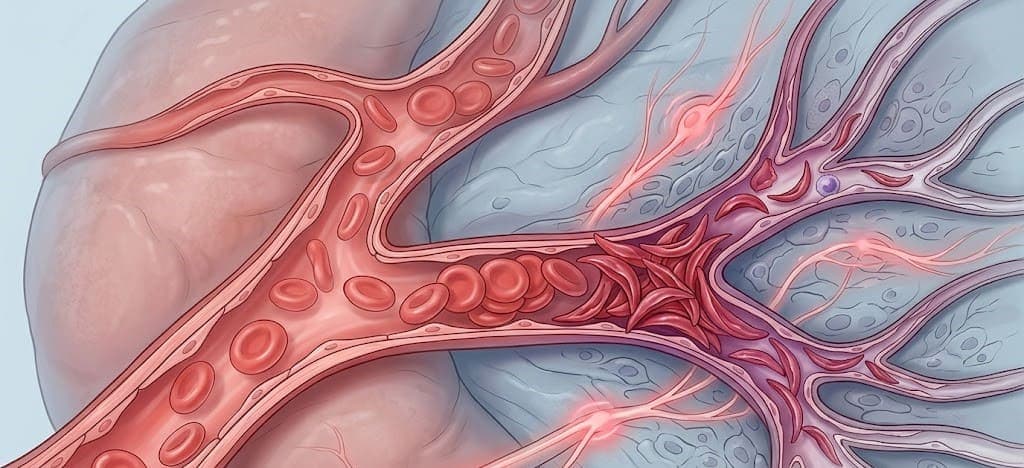
The inner lining of every blood vessel in your body, called the endothelium, is supposed to keep blood flowing smoothly.
It does this by releasing a molecule called nitric oxide, which relaxes the vessel walls, reduces inflammation, and prevents blood cells from sticking to the walls.
In sickle cell disease, this system breaks down. Here's why:
- Sickled red blood cells break apart more frequently than normal cells, releasing haemoglobin into the bloodstream
- That free haemoglobin binds to and destroys nitric oxide before it can do its job
- Without enough nitric oxide, blood vessels tighten and become inflamed
- Inflamed vessels produce sticky surface molecules that cause red blood cells, white blood cells, and platelets to clump together
- That clumping blocks tiny blood vessels, cutting off oxygen to tissues and triggering a pain crisis
This process is well documented in research published in PubMed, which describes nitric oxide depletion as a central driver of the vascular damage seen in sickle cell disease.
Restoring nitric oxide availability is therefore one of the key targets in SCD management research.
Where Beets and Leafy Greens Come In
Your body produces nitric oxide through its own internal pathways, but in sickle cell disease, those pathways are constantly under pressure.
Dietary nitrates offer an alternative route.
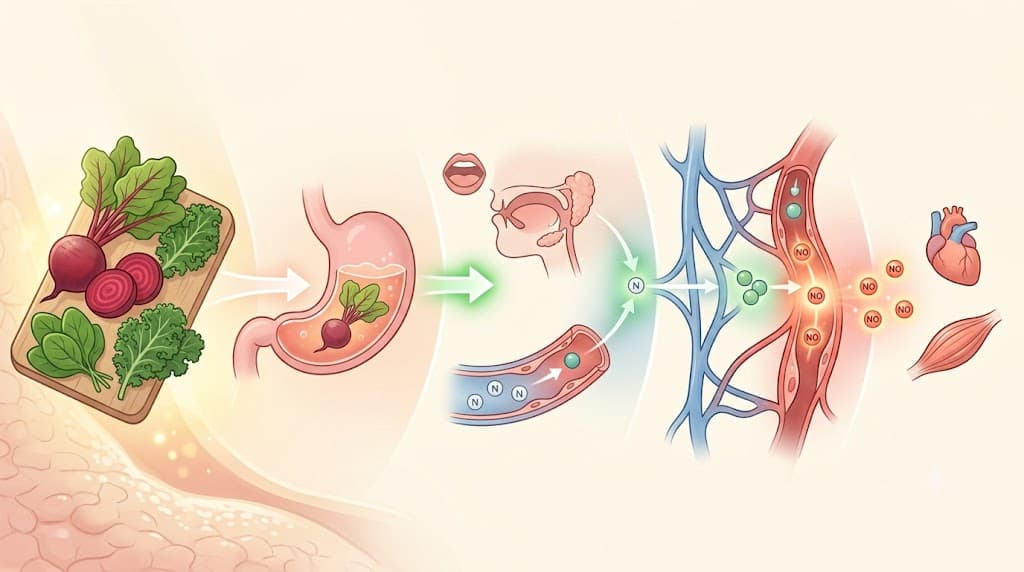
Certain vegetables, especially beets and dark leafy greens, are naturally rich in dietary nitrates. When you eat these foods, here is what happens:
- Your gut absorbs the nitrates from the food
- Bacteria naturally living on your tongue convert those nitrates into nitrites
- Your body then converts those nitrites into nitric oxide in the tissues
This alternative pathway is explained in a review published in the British Journal of Clinical Pharmacology (2013), which found that dietary nitrate from vegetables including beets and spinach can produce meaningful improvements in vascular function, blood flow, and blood pressure.
One particularly relevant detail: this nitrate-to-nitric-oxide conversion is most efficient under low-oxygen conditions, which is exactly the environment inside a sickle cell patient's blocked blood vessels. This means dietary nitrates may produce nitric oxide precisely where and when the body needs it most.
Beets: The Most Concentrated Natural Source
Among all vegetables, beets stand out for their nitrate concentration. A narrative review in Nutrients found that beets were the most effective vegetable source for raising plasma nitrate and nitrite levels and that this translated into sustained improvement in blood vessel function and blood flow.
Researchers at the University of Hawaii at Hilo went a step further. Their 2020 study published in the Journal of Applied Physiology found that five days of beetroot juice supplementation improved exercise tolerance in a mouse model of sickle cell disease, the first study of its kind to show this effect.
A clinical trial also tested beet juice specifically in sickle cell patients, hypothesising that increasing nitric oxide availability through dietary nitrate would improve red blood cell flexibility and reduce platelet clumping, both of which are problems in SCD.
How to use beets practically:
- Roasted or boiled whole beets as a side dish
- Raw grated beet added to salads
- Beet juice for a concentrated nitrate intake
- Beet added to soups and stews
Consistency matters more than quantity. Regular intake builds sustained nitric oxide support rather than a one-off spike.
Dark Leafy Greens for Daily Vascular Support
While beets give you a concentrated nitrate hit, leafy greens give you consistent, daily support.
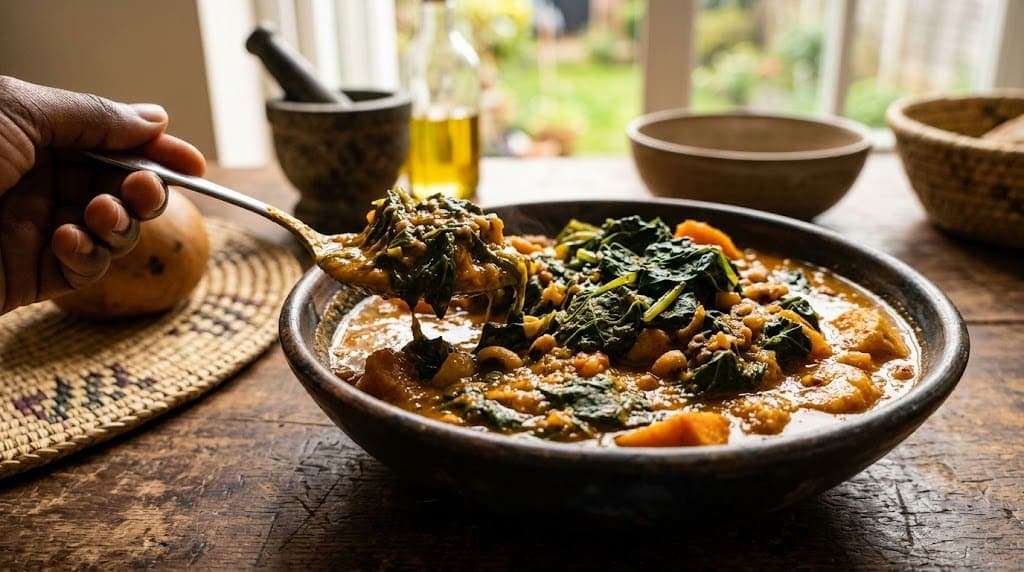
They're also easier to include in everyday African cooking in soups, stews, and side dishes.
The top performers for nitrate content are spinach, arugula (rocket), kale, and Swiss chard. Each brings additional nutrients that support blood vessel health:
- Spinach: high nitrates, magnesium for vessel relaxation, folate which supports red blood cell production
- Arugula (rocket): one of the highest nitrate concentrations of any leafy green
- Kale: rich in vitamin C and antioxidants that protect vessel walls and preserve nitric oxide
- Swiss chard: combines nitrates, magnesium, and antioxidant compounds
How to prepare them to keep their benefits:
- Eat raw or lightly steamed rather than boiled for a long time
- When you do boil them, keep and use the cooking water in soups; it contains nitrates
- Fresh greens retain more nitrate than greens stored for several days
- Avoid overusing antibacterial mouthwash, since the bacteria on your tongue are part of the nitrate conversion process
Simple Principles for Eating With Sickle Cell in Mind
You don't need a complicated meal plan. These principles are practical and grounded in science:
- Eat leafy greens daily, not occasionally. Include them in soups, stews, and salads or as a side at most meals.
- Add beets regularly; two to three times per week is a reasonable target. Juice, roasted, or raw all count.
- Combine with healthy fats, such as palm oil, groundnut oil, or olive oil, to help your body absorb the fat-soluble nutrients.
- Stay hydrated, since dehydration is one of the most common crisis triggers and nutrition cannot compensate for it.
- Track your diet alongside your symptoms, using the Eloheh app to log what you eat and how you feel, so patterns become visible over time.
For deeper guidance on nutrition and natural sickle cell management, visit the Healing Blends Global blog. Dr. Charlie Ware's team covers the science behind anti-inflammatory eating, supplementation, and lifestyle strategies for SCD in detail. Read the full resources at healingblendsglobal.com.
MORE FROM ELOHEH
Read our related articles:
- The Antisickling Kitchen: Plant Compounds With Evidence in SCD
- Can Depression Trigger a Sickle Cell Crisis?
- How the Gut Microbiome Affects Sickle Cell Disease
- Understanding Your Genotype: AA, AS, SS, AC, SC Explained
External reading:
- Beet juice clinical trial in SCD
- Nitrate-nitrite-NO pathway review
- Nitric oxide in sickle cell disease
- Healing Blends Global nutrition resources
Beets and leafy greens are not miracle foods, and this article isn't claiming they are. What science shows is that these vegetables interact directly with the biological systems most under pressure in sickle cell disease, specifically nitric oxide production and blood vessel function.
For a condition where the vascular environment is constantly under stress, consistently eating foods that support that environment is not a small thing. It's one of the most accessible tools you have.
Combine it with proper medical care, stay hydrated, track your symptoms with the Eloheh app, and explore more natural management guidance at Healing Blends Global.
Frequently Asked Questions
Why do beets specifically help with sickle cell disease?
Beets are one of the richest natural sources of dietary nitrates. Your body converts these nitrates into nitric oxide, a molecule that relaxes blood vessels, reduces inflammation, and helps prevent blood cells from sticking to vessel walls. In sickle cell disease, nitric oxide levels are often depleted, so dietary sources that help restore them are genuinely relevant. A clinical trial tested beet juice specifically in SCD patients for this reason.
Which leafy greens are best for someone with sickle cell disease?
Spinach, arugula (rocket), kale, and Swiss chard are the highest in dietary nitrates. Spinach also provides folate, which supports red blood cell production, and magnesium, which helps blood vessels relax. Dark green leaves cooked in everyday soups and stews are a practical way to include them consistently.
Can I get these benefits from vegetables already in my regular diet?
Yes, in many cases. If you already eat leafy green soups and stews regularly as part of West African or East African cooking, you are already getting some of these benefits. The key is consistency and preparation. Lightly cooked greens in soups, where you also consume the cooking liquid, retain good nitrate levels.
Can these foods replace my sickle cell medication?
No. These foods support your body's vascular systems; they do not treat the disease itself. Always take prescribed medication as directed by your doctor. Nutrition works alongside medical care, not instead of it.
How do I track whether these foods are making a difference?
The Eloheh app includes symptom, mood, and daily logging features. Recording what you eat alongside how you feel, your energy levels, and pain patterns over time can help you identify whether dietary changes are having an effect. Visit elohehkits.com to get started.
Where can I read more about natural sickle cell management?
The Healing Blends Global blog is a strong starting point. Dr. Charlie Ware's team covers nutrition, supplementation, and lifestyle science for sickle cell disease in depth. Their resources are grounded in clinical research and patient experience. Visit healingblendsglobal.com to read more.
This article is for educational purposes only and does not constitute medical advice. Always consult a qualified haematologist or healthcare provider for personal medical decisions.
elohehkits.com | @elohehkits