
If you live with sickle cell disease, you already know food is not just fuel. What you eat, and what you avoid, can affect how your body handles inflammation, how your blood moves, and how your cells cope under stress. But what does the science actually say about specific plant foods and sickle cell disease?
This article looks at four plant compounds that have been studied in peer-reviewed research for their effects on sickle cell pathways: turmeric (curcumin), ginger, garlic, and moringa. We explain what the research actually found, in plain language, and how to use them practically.
Quick note: this is not about miracle cures. These are food compounds with biological evidence. They work alongside medical treatment, not instead of it.
Key Takeaways
- Turmeric (curcumin), ginger, garlic, and moringa all have published research showing effects on inflammation and red blood cell stability in sickle cell disease.
- Most evidence is from lab studies, not large clinical trials. These plants support, they do not replace, medical care.
- Oxidative stress, which is cell damage caused by an overload of harmful molecules in the body, is a key driver of sickle cell crises. Many of these plants work by reducing that damage.
- Eating these consistently as part of your diet is more effective than taking large doses of any one supplement.
- Read the full natural management guides at healingblendsglobal.com for deeper, research-backed guidance.
What Is Oxidative Stress and Why Does It Matter in SCD?
Think of oxidative stress like rust forming inside the body. When your cells produce more damaging molecules than the body can clear, those molecules start breaking things down. In sickle cell disease, this is a constant problem.
According to a 2021 review published in Antioxidants (MDPI), oxidative stress is a central driver of red blood cell damage, vessel inflammation, and the painful episodes (called vaso-occlusive crises) that people with SCD experience. When your red blood cells are already fragile due to the sickle shape, extra oxidative damage makes everything worse.
This is why foods and compounds that reduce oxidative stress are genuinely interesting to SCD researchers. They're not treating a side issue. They're targeting one of the main problems.
Turmeric (Curcumin): The Most Researched Plant Compound in SCD
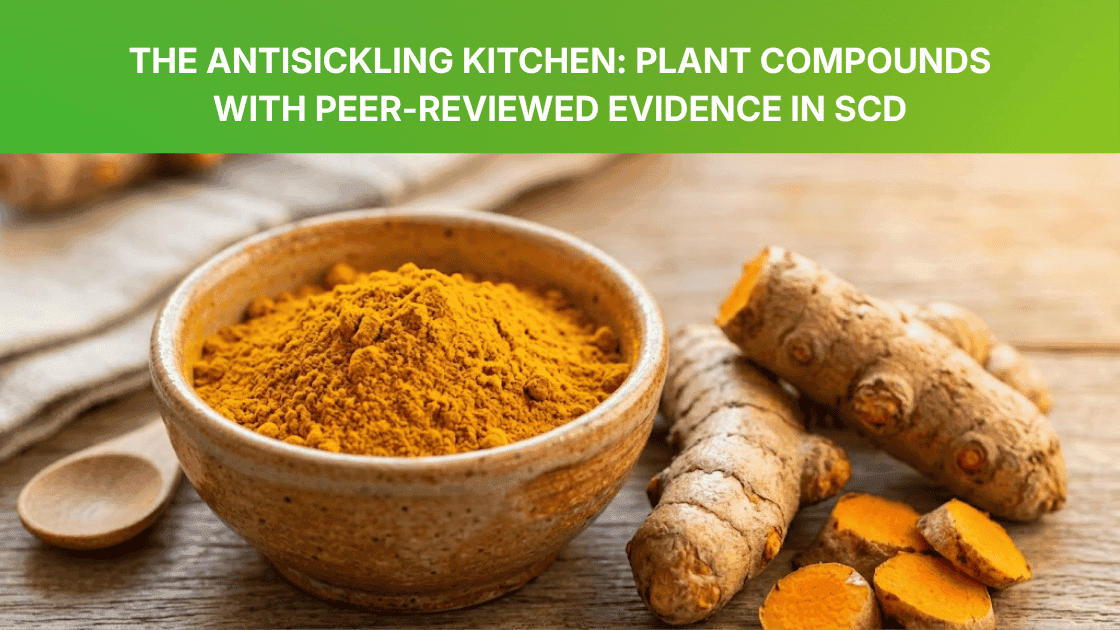
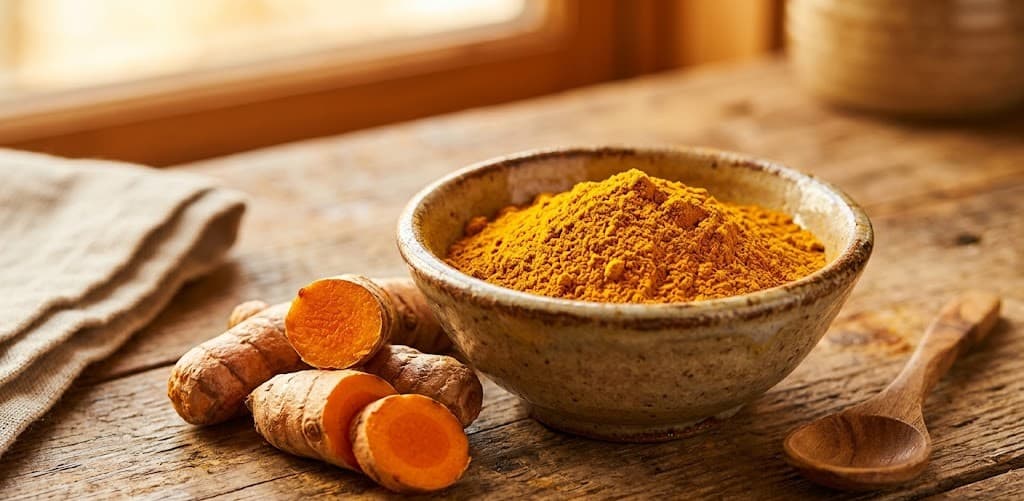
Curcumin is the active compound found in turmeric, the bright yellow spice common in West African, South Asian, and Middle Eastern cooking. It's the most studied natural compound in sickle cell disease research.
A 2025 study published in PNAS Nexus found that curcumin showed antisickling, anti-inflammatory, and antioxidant effects in experimental sickle cell models. The researchers noted it reduced red blood cell damage and reduced the cellular environment that makes sickling worse.
What it may do in the body:
- Reduce inflammation at the cellular level
- Lower oxidative stress in red blood cells
- Help stabilize red blood cell membranes in lab studies
- Reduce pain-related signals in animal studies
How to use it in your diet:
- Add turmeric to soups, stews, rice dishes, and sauces
- Always pair with a healthy fat (like palm oil, coconut oil, or olive oil) to help your body absorb it better
- Add a small pinch of black pepper alongside it, this increases absorption significantly
- Consistency matters more than large doses
The key limitation: most curcumin studies are still in lab or animal models.
It's not a replacement for medical treatment. But it's a well-evidenced reason to keep turmeric in your regular cooking.
Ginger: Anti-Inflammatory and Shown to Reduce Sickling in Lab Studies
Ginger has been used in traditional medicine across Africa, Asia, and the Caribbean for generations. Modern research is now giving scientific context to those practices.
A peer-reviewed study on ginger extract and sickle cell disease found a significant increase in the number of normally shaped red blood cells after treating sickle cells with ginger extract in a laboratory setting.
The active compounds in ginger, called gingerols and shogaols, appear to help reduce the rate at which red blood cells take on the sickle shape under low oxygen conditions.
What it may do in the body:
- Reduce inflammatory chemicals linked to pain and cell damage
- Help red blood cell membranes stay more stable
- Reduce sickling behavior in low-oxygen environments (lab evidence)
- Support general antioxidant balance
How to use it in your diet:
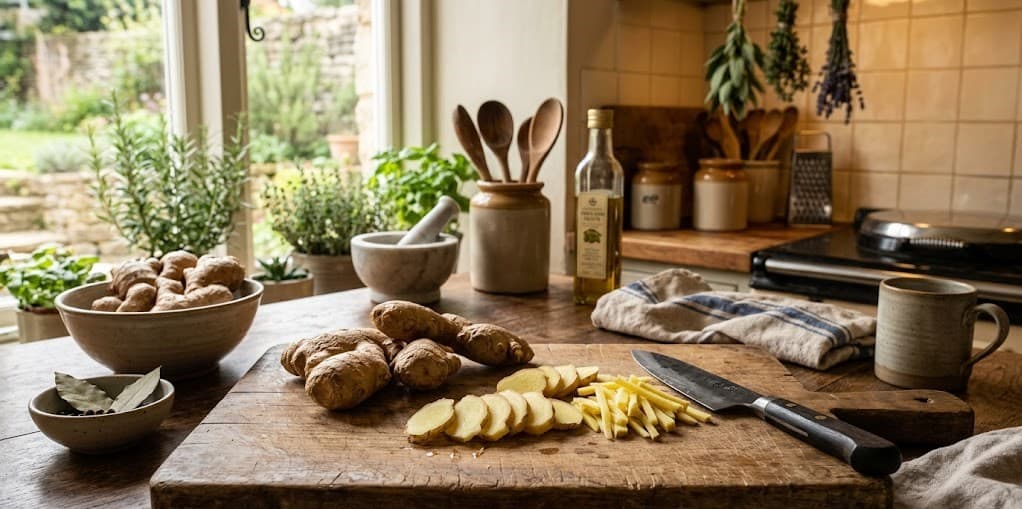
- Freshly grated ginger in teas, soups, and stews
- Warm ginger and lemon drinks daily
- Add to stir-fries, grains, and bean dishes
- Fresh ginger is more potent than powdered ginger.
Garlic: Blood Flow, Cell Density, and Antioxidant Effects
Garlic is one of the most studied plants in cardiovascular and blood health research. In sickle cell disease specifically, it's attracted attention because of how it affects red blood cell density and blood flow.
A study on aged garlic extract and sickle cell anaemia found that garlic preparations showed antioxidant effects relevant to sickle cell pathology.
A 2021 research review also noted that garlic may help prevent the formation of the dense, dehydrated cells that are particularly prone to sickling and causing vessel blockages.
What it may do in the body:
- Reduce red blood cell clumping and improve blood flow
- Lower oxidative stress in blood cells
- Help prevent the formation of dense sickle cells
- Support vascular (blood vessel) health
How to use it in your diet:
- Crush garlic and let it rest for 5-10 minutes before cooking; this activates its most beneficial compounds
- Add to daily cooking: soups, stews, sauces, beans
- Light cooking preserves more of its active properties than heavy frying
- Raw garlic in small amounts (e.g., in dressings or cold dishes) can be particularly potent
Moringa: Dense in Nutrients and Studied Across African Research Centres
Moringa (sometimes called the 'drumstick tree' or 'miracle tree') is widely available across sub-Saharan Africa, South Asia, and the Caribbean. It's packed with antioxidants, vitamins, and minerals, and it's been studied specifically for its effects on sickle cell disease.
A study published in the Nigerian Journal of Pharmaceutical Research (2018) found that moringa leaf extract at 4mg/mL caused 95.6% inhibition of haemoglobin S sickling in lab conditions, alongside a 79.4% reversal of already sickled cells. The researchers concluded moringa was a strong candidate for further antisickling drug research.
These are lab results, not human clinical trial results. But the numbers are meaningful enough to take seriously.
What it may do in the body:
- Reduce the rate of red blood cell sickling in laboratory conditions
- Provide high levels of antioxidants that combat oxidative stress
- Supply key micronutrients that are often low in people with SCD (including zinc and iron)
- Support general inflammatory balance
How to use it in your diet:
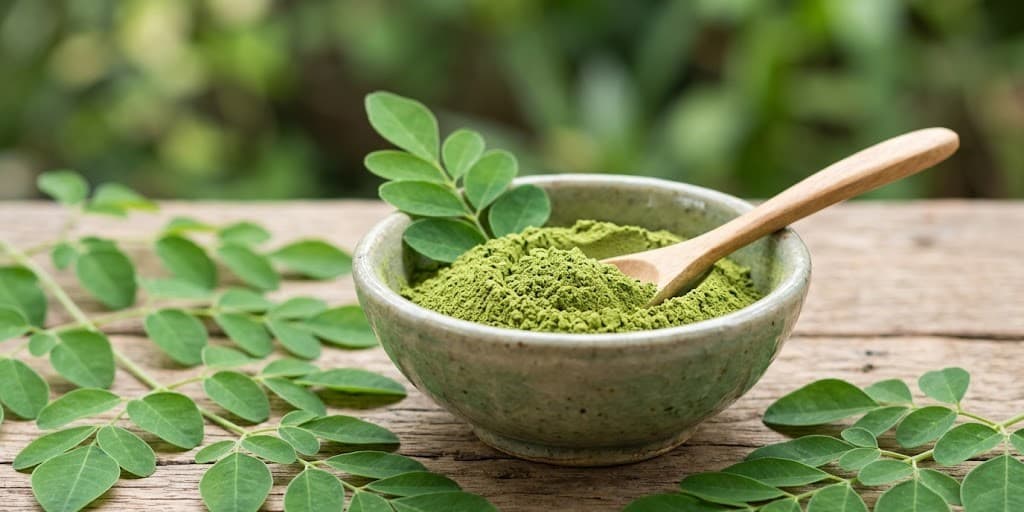
- Moringa leaf powder added to smoothies, soups, or porridge
- Fresh moringa leaves cooked like spinach in stews and sauces
- Moringa leaf tea
- Available as food-grade supplement powder in health stores
What the Research Doesn't Say (Being Honest About the Evidence)
It's important to be honest about what these studies can and cannot tell us.
- Most evidence comes from lab studies (cells in a dish) or animal models, not large human clinical trials
- Lab results do not always translate directly to the same effects inside the human body
- There are no standard doses set for any of these compounds as SCD treatments
- None of these plants have been approved as medical treatments for sickle cell disease
What this means practically: these are foods with biological evidence, not medicines with clinical proof. Using them regularly as part of a healthy diet is sensible and supported by the science. Stopping medical treatment to rely on them is not.
For deeper reading on natural sickle cell management, including Dr. Charlie Ware's approach and the science behind EvenFlo, visit healingblendsglobal.com.
Healing Blend's blog covers topics like the complete SCD management guide, lifestyle and nutrition strategies, and the clinical research behind natural SCD supplements.
How to Build an Antisickling Diet: Simple Principles
You don't need a complicated diet plan. These principles are practical and based on the science:
- Eat anti-inflammatory foods consistently, not occasionally. Daily exposure matters more than high doses.
- Combine these plants together, since curcumin, ginger, garlic, and moringa work better as a nutritional pattern than in isolation.
- Pair fat-soluble compounds with healthy fats, especially turmeric and moringa, which absorb better alongside oil.
- Stay hydrated, since dehydration is one of the most common crisis triggers and nutrition cannot compensate for it.
- Track what you eat and how you feel, using the Eloheh app to log symptoms and identify patterns between diet, mood, and pain episodes.
For more on nutrition and SCD, read our related articles on elohehkits.com, including our pieces on hydration and crisis prevention, gut health in sickle cell disease, and managing inflammation through diet.
MORE FROM ELOHEH
Read our related articles on elohehkits.com:
- Can Depression Trigger a Sickle Cell Crisis? What Research Shows
- Sickle Cell Disease vs Sickle Cell Trait: Understanding the Difference
- Understanding Your Genotype: AA, AS, SS, AC, SC Explained
- How the Gut Microbiome Affects Sickle Cell Disease
External reading:
- Healing Blends Global blog
- EvenFlo clinical study
Turmeric, ginger, garlic, and moringa all interact with the same biological pathways that drive sickle cell disease progression.
They give your body consistent nutritional support at the cellular level, which is exactly where sickle cell disease does its damage. Combined with proper medical care and the guidance available at Healing Blends Global, a well-chosen diet is one of the most accessible tools you have.
Frequently Asked Questions
Can turmeric help with sickle cell disease?
Turmeric contains curcumin, which has shown anti-inflammatory, antioxidant, and antisickling effects in peer-reviewed research, including a 2025 study in PNAS Nexus. It's not a medical treatment, but regular use in cooking, paired with black pepper and healthy fats, is scientifically supported.
Is ginger good for sickle cell disease?
Yes, ginger has shown antisickling activity in lab studies. Research found it increased the number of normally shaped red blood cells in samples treated with ginger extract. Daily use in teas, soups, and cooking is a practical, low-risk way to include it.
What does moringa do for sickle cell patients?
A 2018 study found moringa leaf extract caused up to 95.6% inhibition of sickle cell haemoglobin sickling in lab conditions. It's also rich in antioxidants and micronutrients that are often depleted in people with SCD. Moringa can be used as leaf powder in food or taken as a food-grade supplement.
Can I stop my medication and use these plants instead?
No. These plant compounds are nutritional supports, not replacements for medical treatment. They may help reduce oxidative stress and inflammation over time, but they cannot replace prescribed care. Always speak to your doctor before making changes to your treatment plan.
Where can I read more about natural sickle cell management?
The Healing Blends Global blog is one of the most detailed resources available on evidence-based natural approaches to SCD. Dr. Charlie Ware's team covers nutrition, supplementation, lifestyle, and the clinical research behind their formulations. Visit healingblendsglobal.com to read their articles.
This article is for educational purposes only and does not constitute medical advice. Always consult a qualified haematologist or healthcare provider for personal medical decisions.
elohehkits.com | @elohehkits