
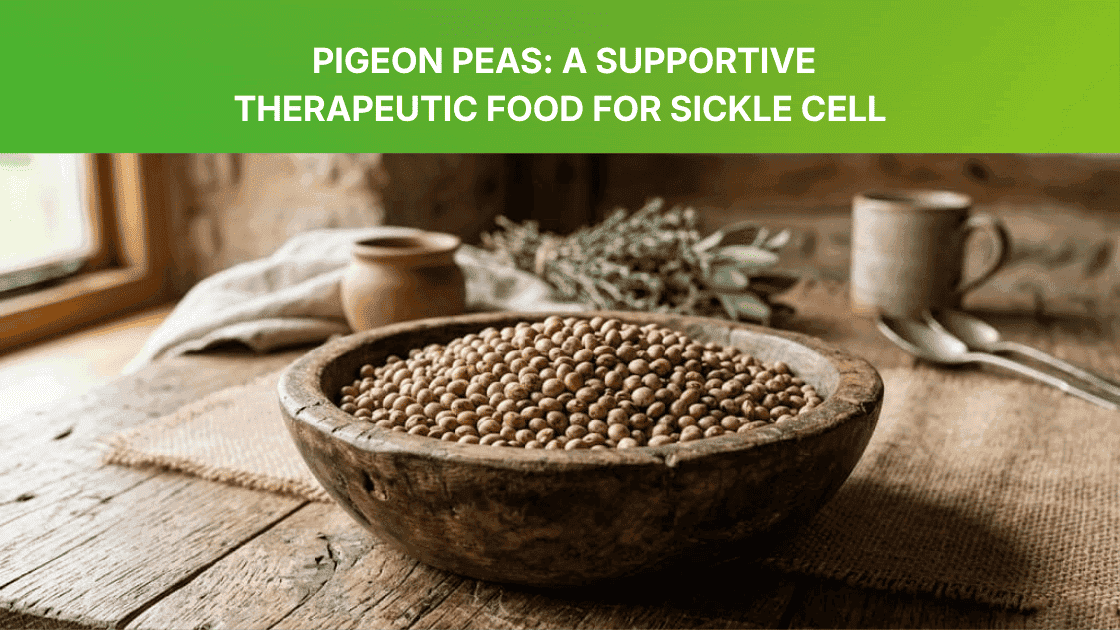
Pigeon pea is a food has been used by traditional healers across West Africa, India, and the Caribbean for centuries to manage sickle cell disease and is worth paying attention to.
When peer-reviewed research then confirms that the same food contains compounds that actively reduce red blood cell sickling in the laboratory, that is worth sharing.
Cajanus cajan, known as the pigeon pea, is one of the most researched natural anti-sickling agents in the scientific literature. A study published in the International Journal of Advanced Research found that pigeon pea seed extracts reduced the percentage of sickled red blood cells from 64.7% to 24% within 30 minutes at a concentration of 10 mg/ml.
Key Takeaways
- Pigeon pea extracts reduced sickled red blood cells from 64.7% to 24% in laboratory studies
- A six-month clinical trial showed significant reduction in liver enlargement in SCD patients
- The plant works by interfering with sickle haemoglobin clumping and reducing cell damage from free radicals
- It is globally available, affordable, and nutritious with no known adverse effects at dietary amounts
- Traditional communities across West Africa, India, and the Caribbean have used it for at least 3,500 years
READ: NUTRITION AND SICKLE CELL MANAGEMENT
Some of the most compelling early evidence comes from in vitro experiments, which means tests carried out on blood samples in a laboratory rather than in living patients.
In these studies, blood samples from sickle cell patients were exposed to pigeon pea extracts, and researchers counted how many red blood cells changed from their rigid, distorted sickle shape back toward a more normal shape.
The most significant clinical evidence comes from a controlled trial evaluating a standardized extract of Cajanus cajan in 100 patients with sickle cell anemia over six months. Patients were randomly assigned to receive either the extract or a placebo twice daily, without knowing which they were taking.
Patients in the treatment group also reported fewer pain episodes during the trial compared to the six months before it.
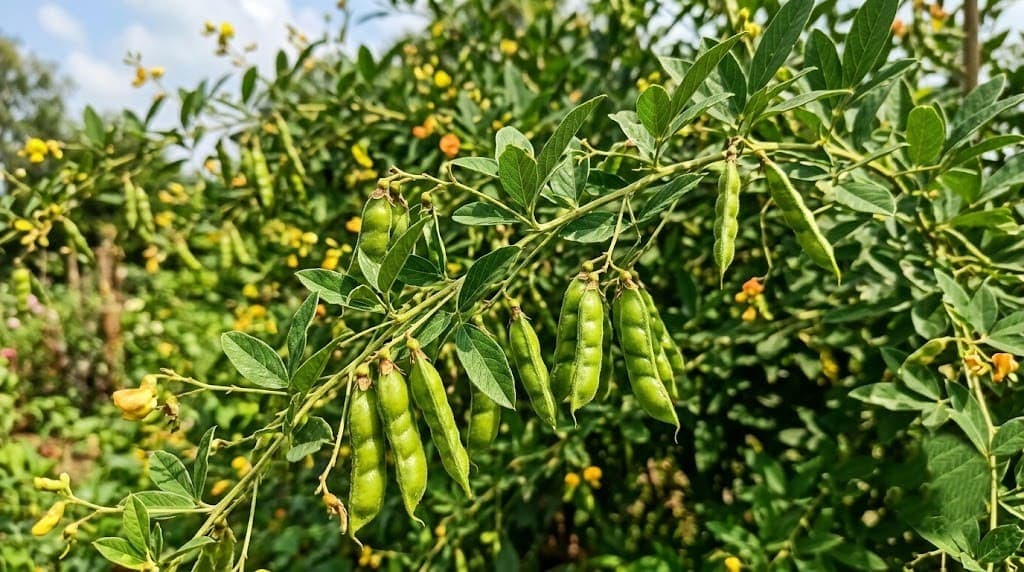
How Do Pigeon Peas Work Against Sickling?
When sickle haemoglobin is deprived of oxygen, it clumps together inside the red blood cell, forming rigid fibers that distort the cell into its characteristic sickle shape. Specific compounds in pigeon pea appear to interfere with this clumping process, reducing the likelihood of it occurring or limiting its severity when it does.
Pigeon pea is rich in polyphenols and flavonoids, antioxidant compounds that neutralize radicals and reduce the damage they cause to the cells.
Two mechanisms explain the anti-sickling activity of Cajanus cajan: interference with the intracellular polymerization of sickle haemoglobin, and antioxidant activity that reduces free radical damage to sickle red blood cell membranes.
What About Other Parts of the Plant?
Leaves and stems of Cajanus cajan were examined, finding that different parts of the plant contain different active compounds, some of which carry their own documented anti-sickling properties.
A plant science study published in Food Science and Human Wellness identified 26 highly promising molecular candidates for therapeutic use across sickle cell disease from the leaves, stems, and seeds combined.
Related plant research has also shown promising results for papaya leaves and a West African medicinal root called Zanthoxylum zanthoxyloides, both of which have traditionally been used alongside pigeon pea in herbal medicine for sickle cell disease. A study testing all three on sickle cell blood found that each reduced the percentage of sickled cells and improved red blood cell resilience against physical damage, though none matched the effect of established clinical treatments at equivalent concentrations.
How to Include Pigeon Peas in a Sickle Cell-Conscious Diet
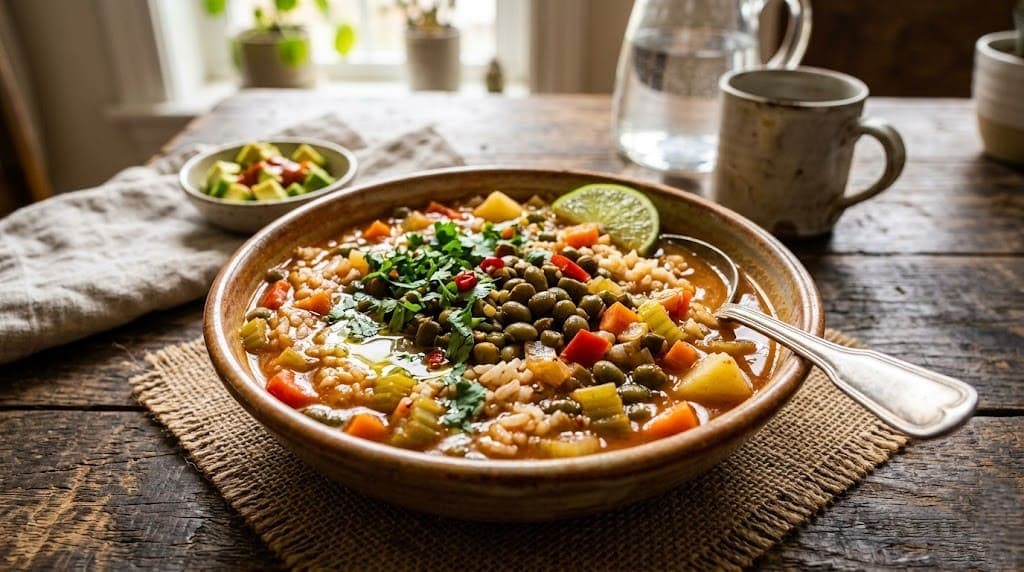
At normal dietary amounts, pigeon peas are simply food. They have no known adverse effects and no documented drug interactions at culinary doses. They can be included in everyday meals the same way any legume would be: cooked in stews, added to rice dishes, made into soups, or used as a protein-rich side. In communities across Nigeria, Ghana, India, and the Caribbean, they are already an everyday ingredient. There is no barrier to including them more intentionally.
The nutritional benefits run alongside the specific anti-sickling evidence. Pigeon peas are a good source of protein and essential amino acids, which matter for a body managing the increased energy demands of chronic red blood cell breakdown. They also contain zinc, which has its own separate documented role in sickle cell management, and B vitamins that support broader red blood cell health.
TRACK YOUR DIET AND SYMPTOMS
For a more comprehensive approach to natural sickle cell management, healingblendsglobal.com offers evidence-grounded content on nutritional and supplement strategies that sit well alongside dietary choices like this. The blog is particularly useful for understanding the science behind natural SCD support, and it is worth visiting regularly.
Pigeon peas are safe, nutritious food. Adding them to your diet as part of a sickle cell-conscious eating approach costs nothing and carries no risk. In the context of a disease where many of the most effective natural interventions are significantly underused, this one deserves far more attention than it currently receives.
Frequently Asked Questions
Do pigeon peas have anti-sickling properties?
Yes, based on the available peer-reviewed evidence. In vitro studies have shown that pigeon pea seed extracts reduce the percentage of sickled red blood cells by 30-40% depending on concentration. A 2022 study in the Journal of Food Biochemistry confirmed the plant reduces free radical damage inside sickled red blood cells, one of the key drivers of the sickling process.
Has Cajanus cajan been tested in clinical trials for sickle cell disease?
Yes. A six-month single-blind placebo-controlled trial of 100 sickle cell patients found a statistically significant reduction in liver enlargement (from 55.3% to 33.3% of patients) and fewer pain episodes in the treatment group. Larger, double-blind randomised controlled trials are still needed to fully confirm and measure the clinical benefit.
How do pigeon peas work against sickle cell disease?
Two main mechanisms have been identified. First, compounds in the plant interfere with the process by which sickle haemoglobin clumps together inside red blood cells, reducing the likelihood of sickling. Second, the plant's antioxidant compounds neutralise free radicals that damage sickle red blood cells and speed up their destruction. Both mechanisms address core features of the disease at the cellular level.
Can anyone with sickle cell disease eat pigeon peas?
Yes. At normal dietary amounts, pigeon peas are simply nutritious food with an excellent profile of protein, essential amino acids, zinc, and B vitamins. There are no known adverse effects at culinary doses and no documented drug interactions. Anyone living with sickle cell disease can include them in regular meals without concern.